Category: Reviews

  • Battlefield 6 – Review
    SCORE
    8.5/10

    Battlefield 6 – Review

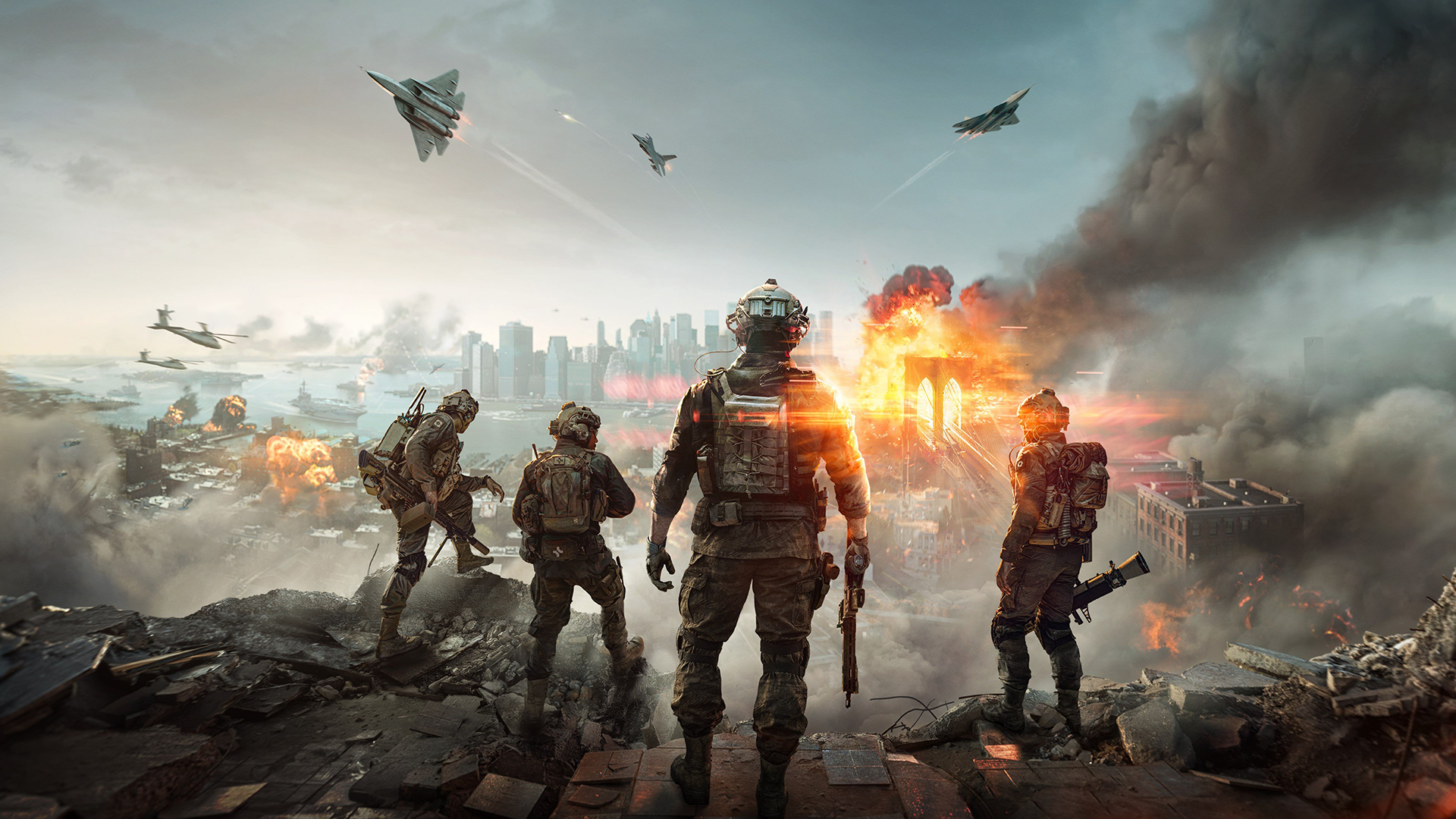
    I’ve always enjoyed the cat and mouse relationship that Battlefield and Call of Duty have had over the years. They seem destined to contrast each other with every release, with each one striving for different goals. As Call of Duty strays more toward slop territory, Battlefield 6 feels like a much-needed reset in the contemporary military shooter space, even if it feels like a slight step backward in some ways for Battlefield itself.

    First and foremost, I should say this game captures everything Battlefield is known for. Big, sprawling battles with vehicles, destructible buildings, customizable weapons, classes, you name it. Graphically, the game looks phenomenal and runs surprisingly well with a refined feel to it. On the base PS5, this game will maintain a solid 60FPS while looking amazing the whole time.

    There’s a big emphasis on class progression in this game, with each character archetype having its own skill trees and goals needed to move into new abilities. Some of these are a bit steep, frankly (like the need to kill 15 stunned enemies with the Assault class in order to unlock the next Assault class subclass) but it adds a lot of engaging goals during matches that add more to the game beyond striving for kills and capture points.

    The ground gunplay in this game feels much more refined than previous entries in the series, feeling snappier and more like Call of Duty when you’re running and gunning (in a good way) than before.

    Vehicles are all here and accounted for, to varying effect. If I am disappointed by anything, it’s the bizarre lack of jet gameplay in this release. BF1 and BF4 before it had really fun, comprehensive flight gameplay that saw me in the pilot seat most of the time. BF6 flight gameplay has a few issues that I hope can be addressed in the future:

    1. Flight area is way too small, making a jet feel like a fish in a bowl as you barely have room to leave the bounds of the battlefield. This greatly reduces the amount of epic dogfights you could potentially get into like in previous games.
    2. Bombing is weak, confusing and difficult to play.
    3. Anti-air vehicles can reach way too far, leading to them camping in their home base for the entire match, harassing flying craft from afar.
    4. No jet loadouts. This is a really bizarre omission when you consider every other vehicle gives you load out options and customizable weapons.

    It really feels like jets were an afterthought in this game, which sucks because they were always so much fun before. Otherwise, BF6 is a solid multiplayer shooter that gives you mostly everything you expect from the Battlefield franchise, and a welcome contemporary military game.
  • Elden Ring: Nightreign – review
    SCORE
    8.5/10

    Elden Ring: Nightreign – review

    Like many gamers, I’ve been playing FromSoftware stuff for a long time now, dating all the way back to Demon’s Souls on PS3 over 15 years ago. When Elden Ring came on the scene back in 2022, it was a very solid culmination of years of refinement of Miyazaki’s “souls” formula brought to a new(ish) IP to great success.

    When Nightreign was first announced, I was skeptical about the entire idea of a Fortnite-inspired Elden Ring spin-off. I mean, I actually thought it was just a DLC until it actually came out. However, after nearly 100 hours on the game, I can faithfully say that Nightreign has become a new favorite of mine for its addictive gameplay loop and fast-paced action.

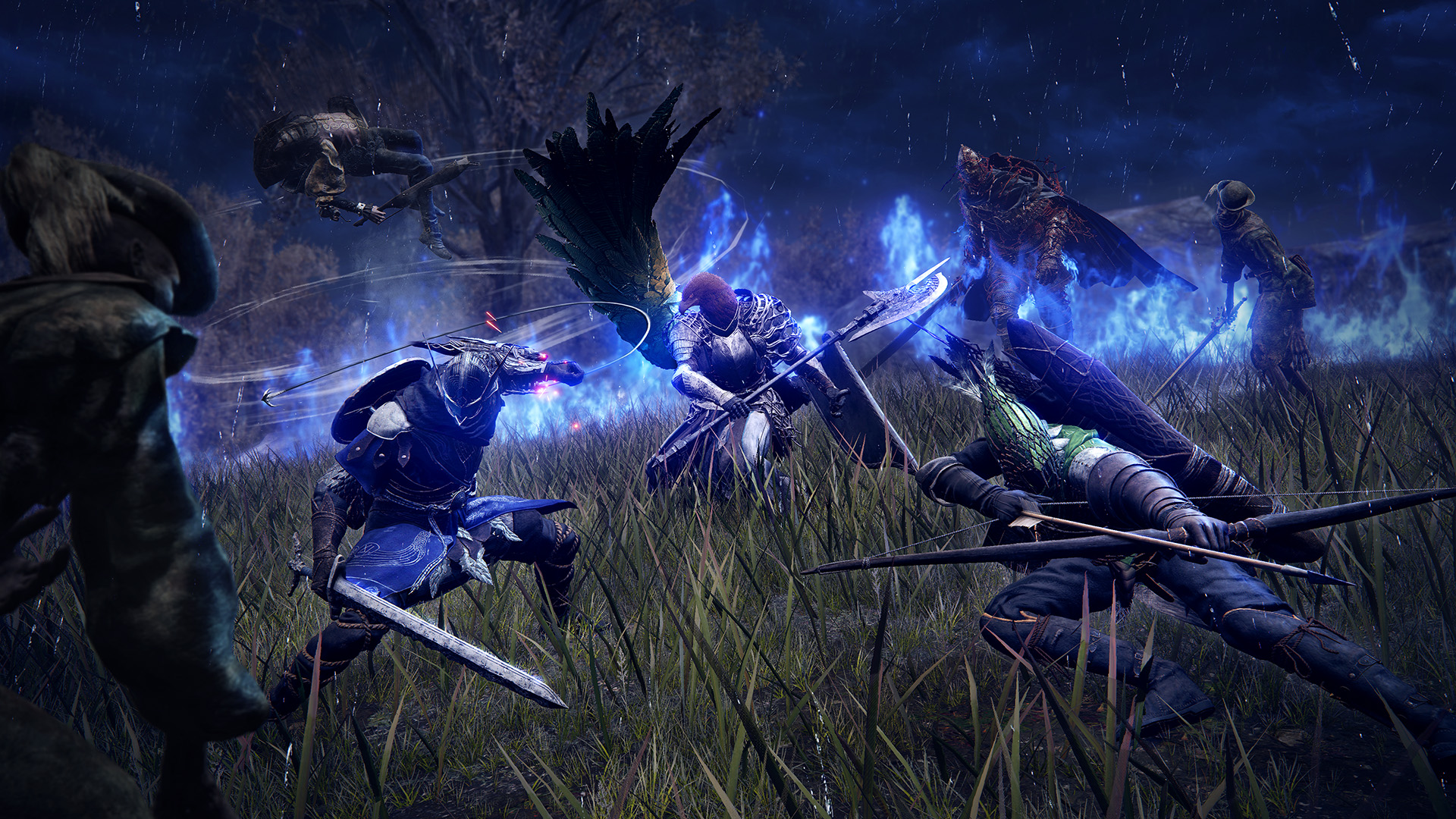
    Fast-paced is the keyword here. From the moment you load into the map, you have what feels like mere moments to accomplish everything you need to accomplish. The basic idea of the game is Elden Ring gameplay and vibes, but with a Fortnite-inspired toxic ring that slowly shuts down the map every few minutes and funnels you toward the boss fight. Starting at level 1 every time, you have this limited amount of time to gain as many levels as possible (maxing at 15), collect as many weapons and buffs as you can, and face the boss with up to 2 of your best friends (or random players–or solo).

    Writing this out, it doesn’t sound fun, but it ends up being a frenetic and extremely engaging time where you’re absolutely locked in for every moment. This is ultimately what makes the game so addicting, and you can expect each match to last about 45 minutes from start to finish (if you make it to the end “Nightlord” boss).

    Replacing the iconic character creator from Elden Ring is a selection of 8 set characters with unique classes and abilities (plus 2 more if you get the recently released DLC). Each character fills a specific role:

    Wylder is a kind of standard warrior type with a small shield and big sword, Recluse is a wizard with a big hat, Guardian (my favorite) is a defensive role with a big shield and a halberd, etc.

    Initially I was disappointed at the lack of a customizable character creator, but the game is designed to be fast, simple and broad enough to accommodate the game loop. I do think it would be nice if each archetype class had an ability to customize the character, but at the very least, you can unlock a number of different skins for each one.

    My biggest complaint about the game is the relic system, which is basically a gacha gambling roll for a stone that you can equip that gives you some stat-bonuses. The issue with it is that, with 10 characters in the game, you often get stones that are completely irrelevant to you, and there’s very seriously no way to influence what stones you get. Each run through the game rewards you with a handful of them, and they are 100% random. It would be nice to have some kind of crafting system where you can at least combine certain effects to make new stones that you can actually use. As it is right now, the system is more frustrating than anything else.

    But that’s a minor gripe to an otherwise strangely addicting Elden Ring romp. It might seem like “SlopSouls,” but Nightreign has weirdly been one of my favorite games of the last year.

  • Final Fantasy XVI – Review
    SCORE
    9/10

    Final Fantasy XVI – Review

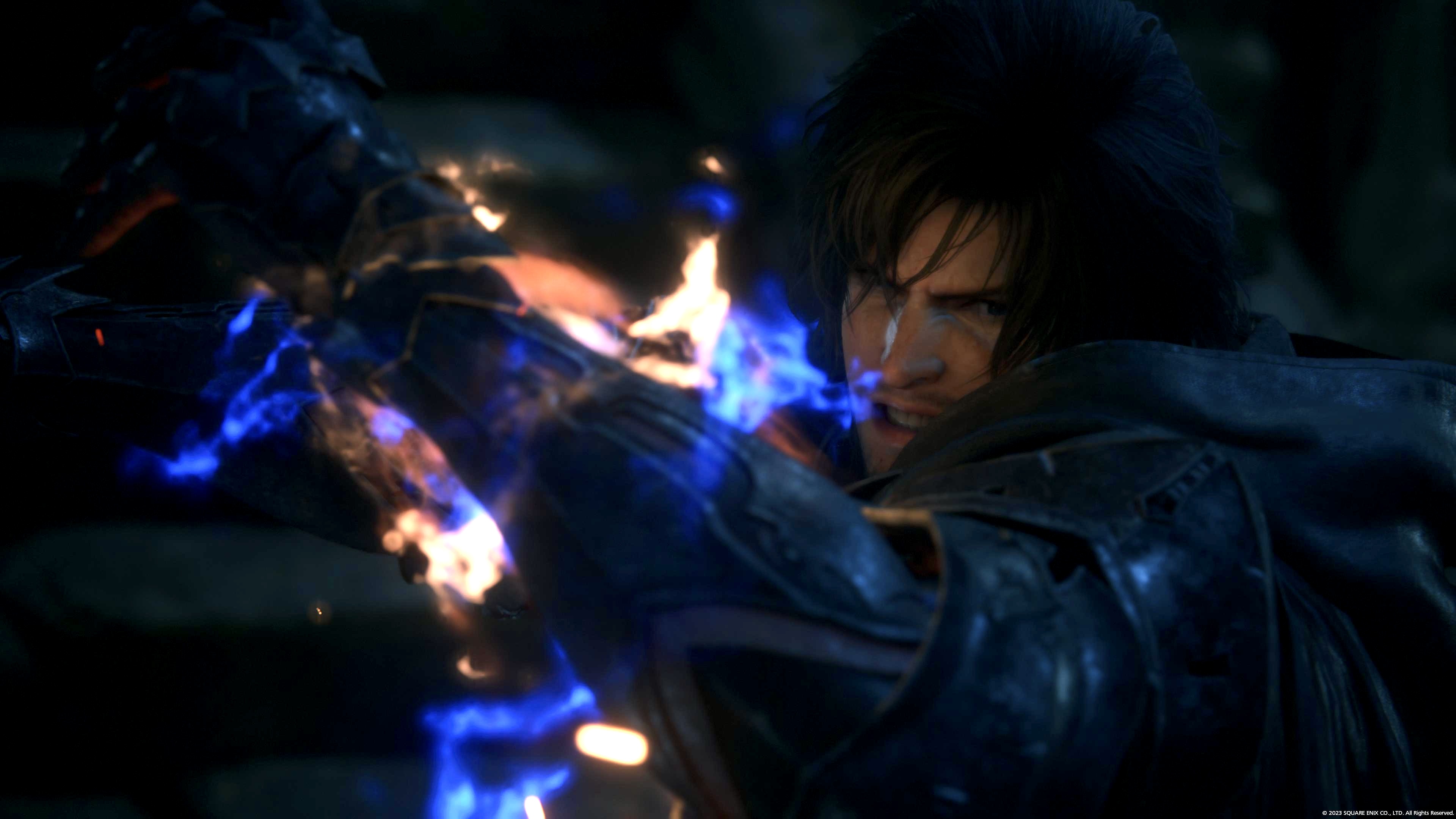
    Like a Phoenix rising from the ashes, Final Fantasy made its glorious return recently in the form of Final Fantasy XVI for PlayStation 5. What began humbly in 1987 on the NES as a turn-based dungeon-crawler culminates in 2023 as a cinematic showcase of polished videogame storytelling and action. Final Fantasy XVI has incredible highs and middling lows, ultimately making it a worthy follow-up in the long-running series.

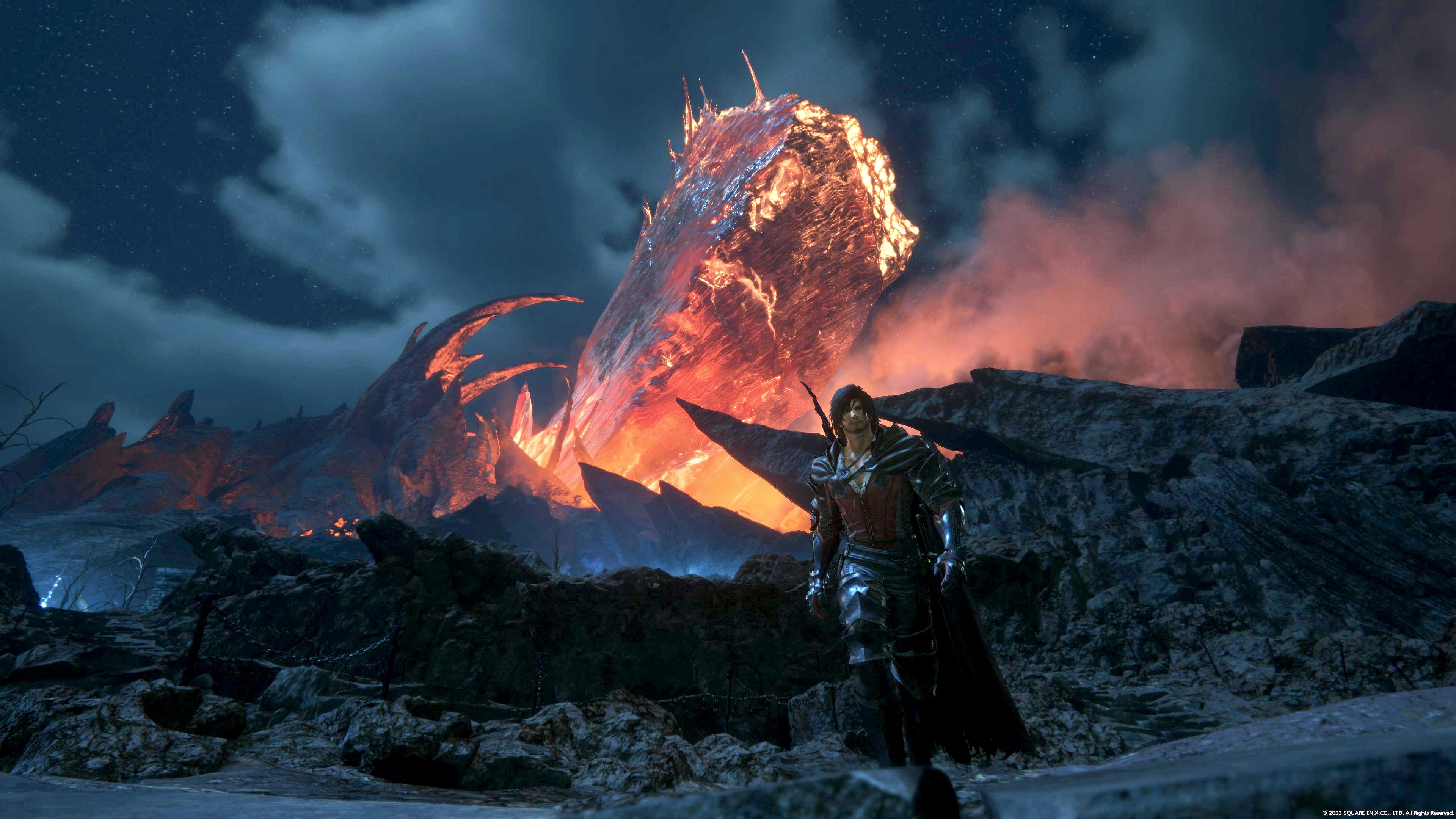
    Final Fantasy XVI follows the story of Clive, a prince who’s been displaced as a slave after war tears his family and homeland apart. What makes Clive unique is that he also carries the power of the Eikon, Ifrit. Eikons are what we normally know in Final Fantasy games as “summons,” or giant godlike entities that we all know and love like Shiva, Ramuh, Odin and Bahamut.

    The game starts with an incredible bang, diving right into the epic Eikon action with an absolutely mesmerizing Ifrit VS Phoenix fight. It’s here that you realize this isn’t like any Final Fantasy game before it, as the gameplay turns into a flight-sim cinematic-action extravaganza with a roaring choir and orchestral score as the two monsters tear each other apart.

    I found it really interesting how the game embraced the Eikons as a major part of the story. Hell, the whole story really revolves around them. In previous Final Fantasy titles, the “summons,” really just pop up as spells during battle, inflicting damage on enemies and then disappearing. Final Fantasy XVI doesn’t make this stark distinction between the battle system and the story, as anything that Clive can do in a fight, he can do in story cinematics as well.

    This made the cutscenes particularly interesting, as they really embraced a kind of anime-inspired epic absurdity that previous games hadn’t. Watching Ifrit battle Bahamut above the earth’s atmosphere was probably the most incredible shit I’ve ever seen in a video game.

    These insane highs are punctuated by unfortunately overlong and meandering sidequests that, while adding some lore and background to the world, are an absolute slog to play through.

    Main quests are marked by red icons in the game, while green markers indicate a “side quest.” While some of the side quests unlock upgrades and new features, I groaned every time one of those damn green icons popped up, because I knew I was in for about 20 minutes of boredom.

    The problem is that, while most of the main story is fully fleshed out with well-directed and acted cinematics that push the boundaries of videogames, the side quests are often relegated to the “B-team,” and feel incredibly video-gamey, with bad camera angles and stiff animations of talking heads saying way too much dialog to each other.

    Despite these bits bogging the game down, I found the positives really outweighed the negatives. I think there was a point about halfway through where the game really clicked for me and went from being a 7 to being a 9. I think if you can embrace the anime-inspiration of Final Fantasy XVI and just love it for what it is, you’ll have a great time with this game.

    The battle system in particular I found to be tons of fun. While it lacked the depth of other action RPG’s like Elden Ring, it was flashy enough and fun enough that I didn’t care. There’s something so satisfying about flying around and unleashing Eikon powers that just never gets old. Despite having more simplified RPG mechanics, there is still plenty of game here. Overall, Final Fantasy XVI took me well over 50 hours to complete from start to finish.

    Overall, I think Final Fantasy XVI is a great game that gets occasionally bogged down by some annoyingly outdated game design decisions. As a longtime fan of Final Fantasy, I felt like it was a worthy follow-up to the series and ultimately incredible in its own right in many ways.

  • Gran Turismo 7 – Review
    SCORE
    8/10

    Gran Turismo 7 – Review

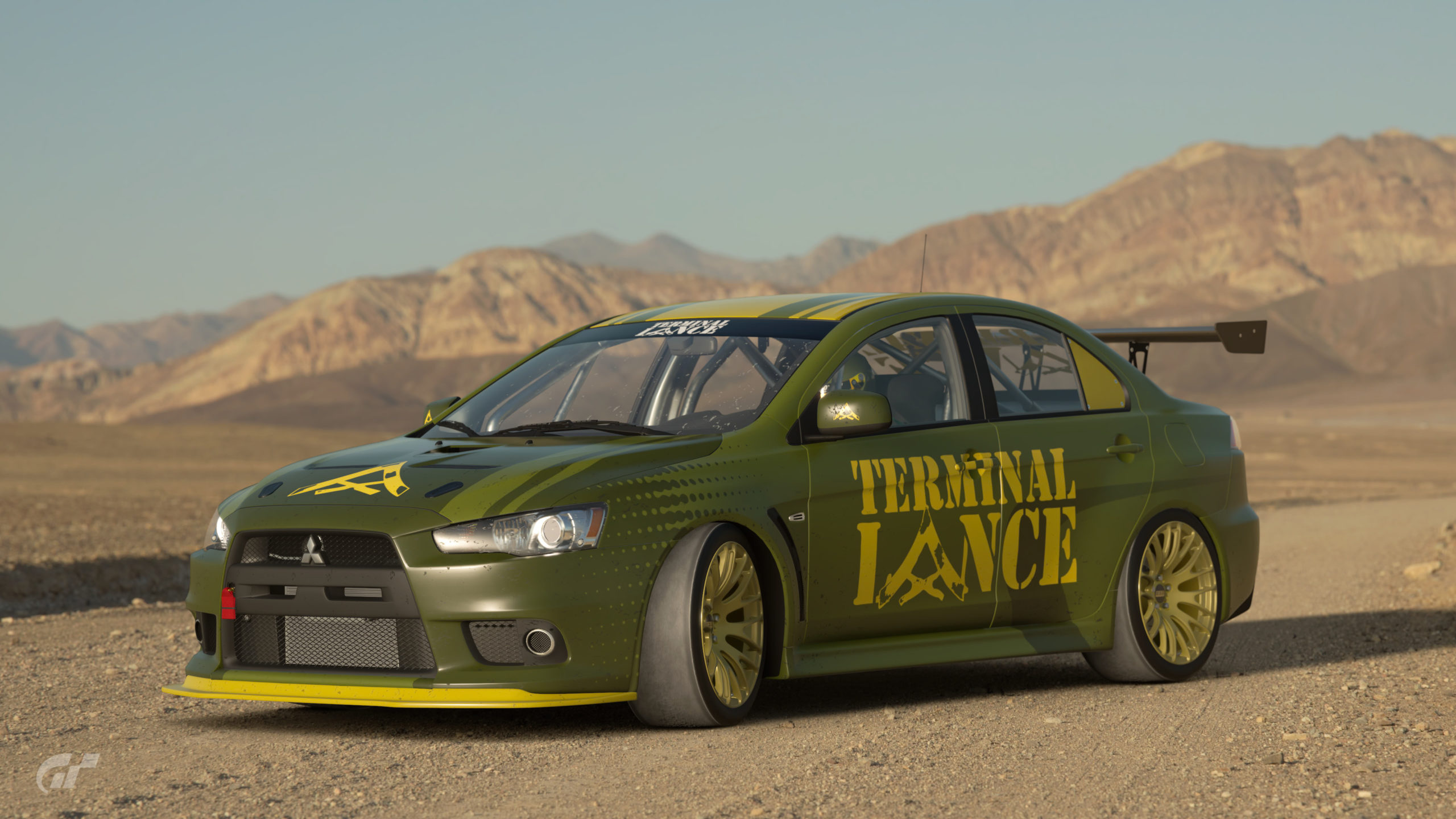
    If you’re anything like me, you love some Gran Turismo. Not to date myself, but I’ve been playing the game since the PS1 days. I swore to my dad that if you squinted hard enough, the replays on Gran Turismo 2 looked real. Here we are 25 years later with Gran Turismo 7, Polyphony Digital’s latest in the long-running flagship series, now on the PlayStation 5.

    I feel like I don’t really need to describe what Gran Turismo 7 is, because you surely already know. It is a game where you race cars against other cars on tracks. As such, Gran Turismo 7 is equal parts incredible and incredibly frustrating.

    Back in the 90’s, there weren’t many realistic racing games, and Gran Turismo had little competition. It’s 2022 however, and the years in between have seen the rise of games like Forza make incredible quality of life improvements to the genre. GT7 is an impressive technical marvel on the track, with cars that look, sound, and feel more real than ever before. However, the game stumbles over itself by hiding the meat behind an incredibly cumbersome series of menus and talking heads.

    Yes, talking heads. You spend way more time than anyone should have to getting talked to by a series of stock photo characters that lecture you on cars and car history. This isn’t optional either, it’s all part of the game’s incredibly strange “career” mode. The career mode of GT7 is handled through the Cafe, where you get menu books that tell you to go do a race, which unlocks that track/race etc. I wish I was making this up, but I’m not.

    Somewhere along the line, the creator of the game though that lecturing the player about cars was more interesting than just letting the player play the game and build a virtual racing career. I’m not sure how detached from reality you have to be to think this is what people want, but the same game also forces you to sit through an 8 minute long montage scene about cars.

    I had a lot of fun with Gran Turismo 7, even suffering through the incredibly generic conversations I was being forced to have with Luca.

    go away Luca

    It’s frustrating that this is how the game is set up, because the core driving mechanics are incredible. Every car feels real, the DualSense controller lets you feel every bump in the road, and the graphics are second to none. Why they felt the need to hide all of this behind layers of inane nonsense is beyond me.

    Gran Turismo 7 chooses to take a different approach to being a racing game (as discussed above). It took me a while to wrap my head around, but I believe the intent behind GT7 is to be less of a game about racing and more of a game about cars and car culture. You load up the game, pick a car from your garage, and then take it on the track. I found myself spending a lot of time just doing time trials on real courses like Laguna Seca or Willow Springs rather than actually racing, which is exactly what you’d be doing in real life.

    When I’m not having my own track day, I would load up Sport mode, which is essentially the same as it was in GT Sport (PS4). Sport Mode is a selection of prescribed daily races that you enroll in and compete with other real life players around the world. There are restrictions on car type and customizations in order to standardize the race for all players. Sport mode can be as frustrating as it is fun, with a very cumbersome penalty system that unscrupulous players can (and do) take advantage of to knock you off the track and force you to take a time penalty.

    Despite these flaws, I found myself really drawn to Sport mode a lot. There’s something about the loop of qualifying time trials, racing, and repeating, that kept me hooked for hours at a time.

    Of course, if you want something more free-form, there are traditional player-hosted lobbies you can hop into and drive around in.

    Overall, GT7 is a strange game that made some strange choices, but it’s a good one. It has the vibe of a “dad game” that you boot up and just hang out in. In the end, I do wish it it had a more traditional career mode ala previous Gran Turismo games; but if you enjoy cars, you’ll enjoy your time with Gran Turismo 7.

  • Elden Ring – Review
    SCORE
    9/10

    Elden Ring – Review

    It’s basically impossible to talk about Elden Ring in a vacuum. The game is not officially part of the Souls series from the same creator, but it is the same tried and true formula (including some very familiar art and sound direction). If you’ve played any of the following games beforehand:

    • Demon’s Souls
    • Dark Souls
    • Dark Souls 2
    • Bloodborne
    • Dark Souls 3
    • Sekiro

    …You’re going to feel very comfortable starting up Elden Ring.

    Where Elden Ring surprises and exceeds expectations is in its sprawling open-world design. Not since 2017’s The Legend of Zelda: Breath of the Wild have I felt so immersed and transported into an open world. Like Zelda, Elden Ring doesn’t hold your hand when it tosses you into the Lands Between. You are dropped into the dark fantasy world, given a basic rundown of your moveset, and given the keys to the kingdom to go anywhere you please. There’s an undeniable and rewarding sense of discovery and awe as you traverse the vast landscape on your mystical mount, finding little pockets of story and adventure around every corner.

    As I said before, it’s impossible to talk about Elden Ring on its own, because the game borrows so much from so many other games. Obviously, the previous Miyazaki/FromSoftware titles, but also nearly as much from Zelda and Dragon’s Dogma. It’s the blend of genres and ideas, filtered through the good taste and eye of its director, that make Elden Ring an experience of its own that is hard to put down.

    Combat in Elden Ring is essentially the same as any Dark Souls game, with the main difference being the new Ashes of War system (weapon arts), that allow you to imbue essentially any weapon with powerful skills featuring distinct animations and effects. It adds another layer to the formula that makes it unique enough to feel fresh.

    I will admit that the boss selection in Elden Ring was not my favorite. The highs of Dark Souls and Bloodborne are hard to top, but there are some memorable encounters that will certainly test your skill (and your sanity).

    These games have a reputation for their difficulty, but I never felt like being difficult was the point. Like the titles before it, Elden Ring is a game that refuses to help the player. It presents itself to you as it is, gives you the tools you need to succeed, but requires that you rise to the challenge. There’s no difficulty slider here, you either win or you lose and try again.

    As far as art direction and lore goes, the game was heavily advertised as a creation of George RR Martin. I wasn’t particularly excited about this aspect, because I felt like Miyazaki didn’t need George RR Martin to make something interesting. As such, I actually found Elden Ring’s world to feel more generic high-fantasy than Dark Souls or Bloodborne, but it wasn’t necessarily a bad thing. I think the open world environment demanded a more sprawling idea. You can go deep if you want into item descriptions and background, but the game doesn’t require you to. (I still barely understand half of it)

    As a huge fan of FromSoftware’s selection of games mentioned above, I really enjoyed the 130 hours I put into my first play-through of Elden Ring (pure STR build, Greataxe). After I finished the game, I found that the open world was the game’s greatest strength and also its greatest weakness when compared to the other titles. It’s easy to jump into a second round of the tightly-woven Dark Souls 3, but I have yet to have any desire to do another run of Elden Ring. The sense of discovery and wonderment as the sprawling map opens up to you is part of the experience, and without it, the game loses a lot.

    With all that said, I found the game to be an impressive feat of both technology and gameplay. I played the game natively on PS5, where load-times were diminished to fleeting moments (only when fast-traveling). It’s truly a masterpiece in many ways, and one that will keep you hooked from start to finish.